When daylight starts disappearing before dinner, your routine can start shifting right along with it.
You may feel sleepy earlier in the evening, wake before the sun comes up, or find yourself spending more time indoors as Kirkland settles into fall. If your sleep feels different this time of year, you’re certainly not imagining things.
But first, there’s a more basic question: how much sleep do seniors need?
Older adults generally need about seven to nine hours each night. And while aging may change the way you sleep, it doesn’t suddenly turn four hours into a full night’s rest.
Is Four or Five Hours of Sleep Enough for Seniors?
For most older adults, no. There are individual differences in sleep needs, but regularly getting only four or five hours falls well below the general recommendation. The CDC considers fewer than seven hours to be short sleep duration for adults.
If you’re waking early but feel rested and energetic all day, your experience may be different from someone who wakes at the same hour and struggles with fatigue. How you function during the day matters.
Consistently feeling unrefreshed, needing frequent naps, or having trouble staying awake deserves more attention than the number on the clock alone.
Why Does Sleep Get Harder With Age?
Older adults may have more trouble staying asleep even when their overall sleep needs haven’t changed very much.
Sleep can become lighter and more fragmented, with more nighttime waking or earlier morning wake-ups. Health conditions, medications, pain, insomnia, and sleep disorders such as sleep apnea can complicate things further.
Therefore, waking more often doesn’t necessarily mean your body needs less rest. It just might mean that getting that rest has become harder.
What Do Shorter Fall Days Have to Do With Sleep?
Your body uses light and darkness as important cues for its internal sleep-wake clock.
In Kirkland, fall brings noticeably shorter days, and then November brings the end of daylight saving time. Seasonal time changes can temporarily disrupt sleep-wake patterns and sleep quality.
You don’t have to completely redesign your day around the sunset, but maintaining predictable routines can help. Try getting outside or into bright natural light earlier in the day. Keep meals, activities, bedtime, and wake time fairly consistent even when darkness starts arriving much earlier than it did in summer.
How Can Seniors Sleep Better?
Persistent sleep problems aren’t something you simply have to tolerate because you’re getting older. And luckily, good sleep hygiene for older adults is refreshingly uncomplicated. The National Institute on Aging recommends maintaining a regular bedtime routine, avoiding late naps, keeping the bedroom quiet and comfortable, and limiting screens in the bedroom. Regular daytime exercise can help, too, while caffeine, alcohol, and large meals are best limited later in the day.
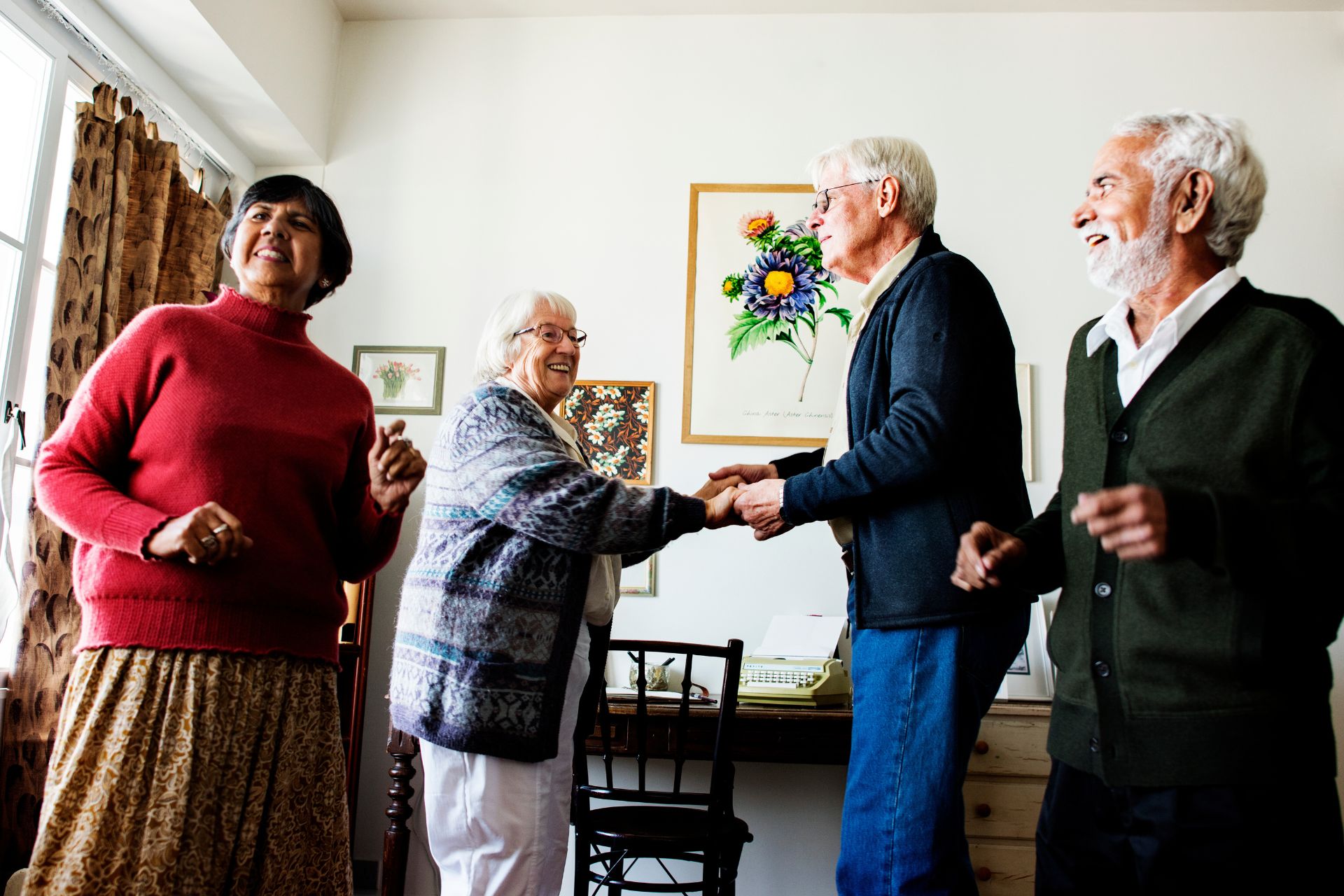
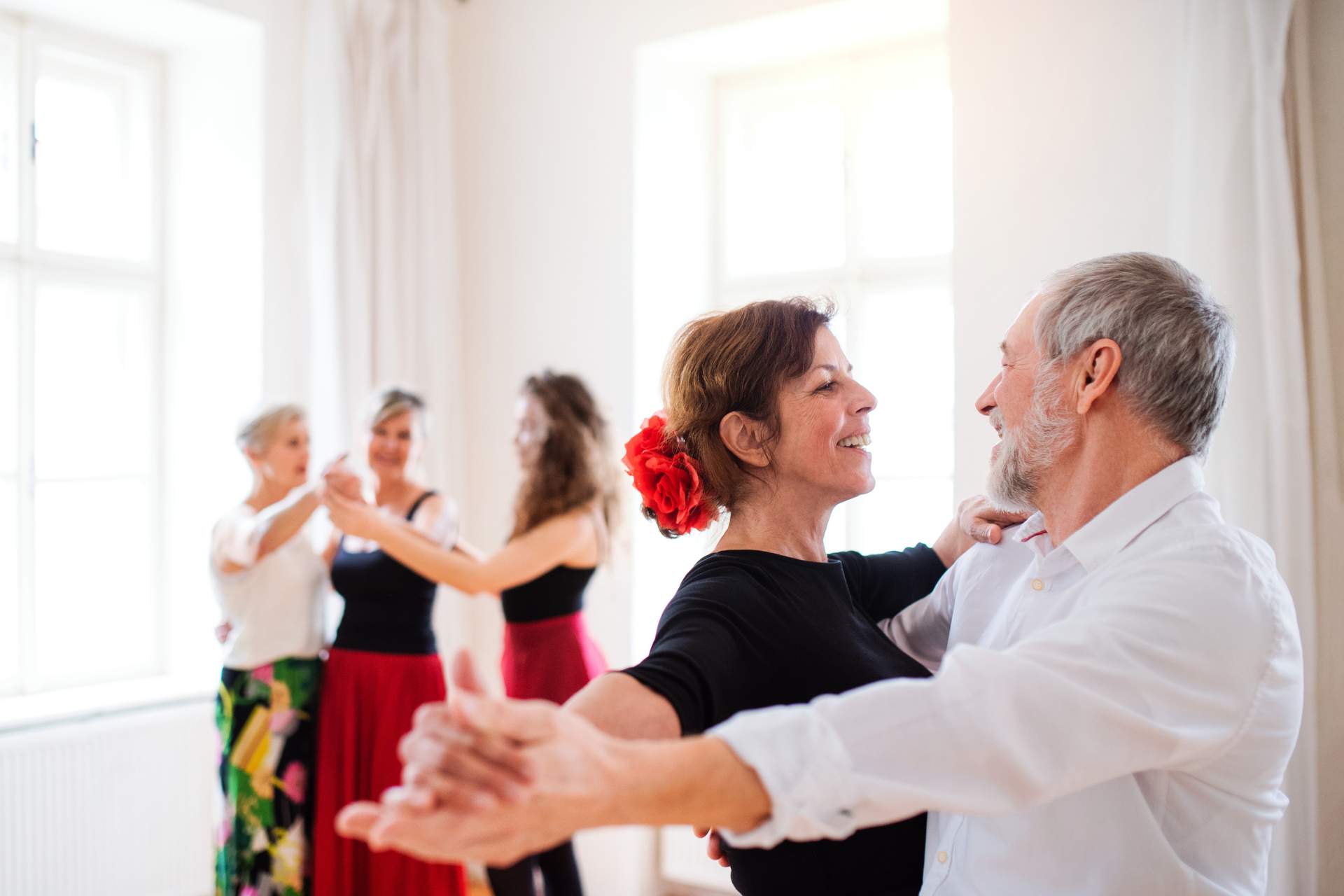
One overlooked piece is staying active during daylight hours. When colder, darker weather makes the couch particularly persuasive, continuing to walk, exercise, socialize, and participate in activities can help give your day structure. Then bedtime actually feels like the end of the day rather than hour six of sitting indoors.
If you’ve tried adjusting your routine and still routinely have trouble falling asleep, staying asleep, or functioning during the day, talk with your healthcare provider.
Keep a Healthy Rhythm Through Fall in Kirkland
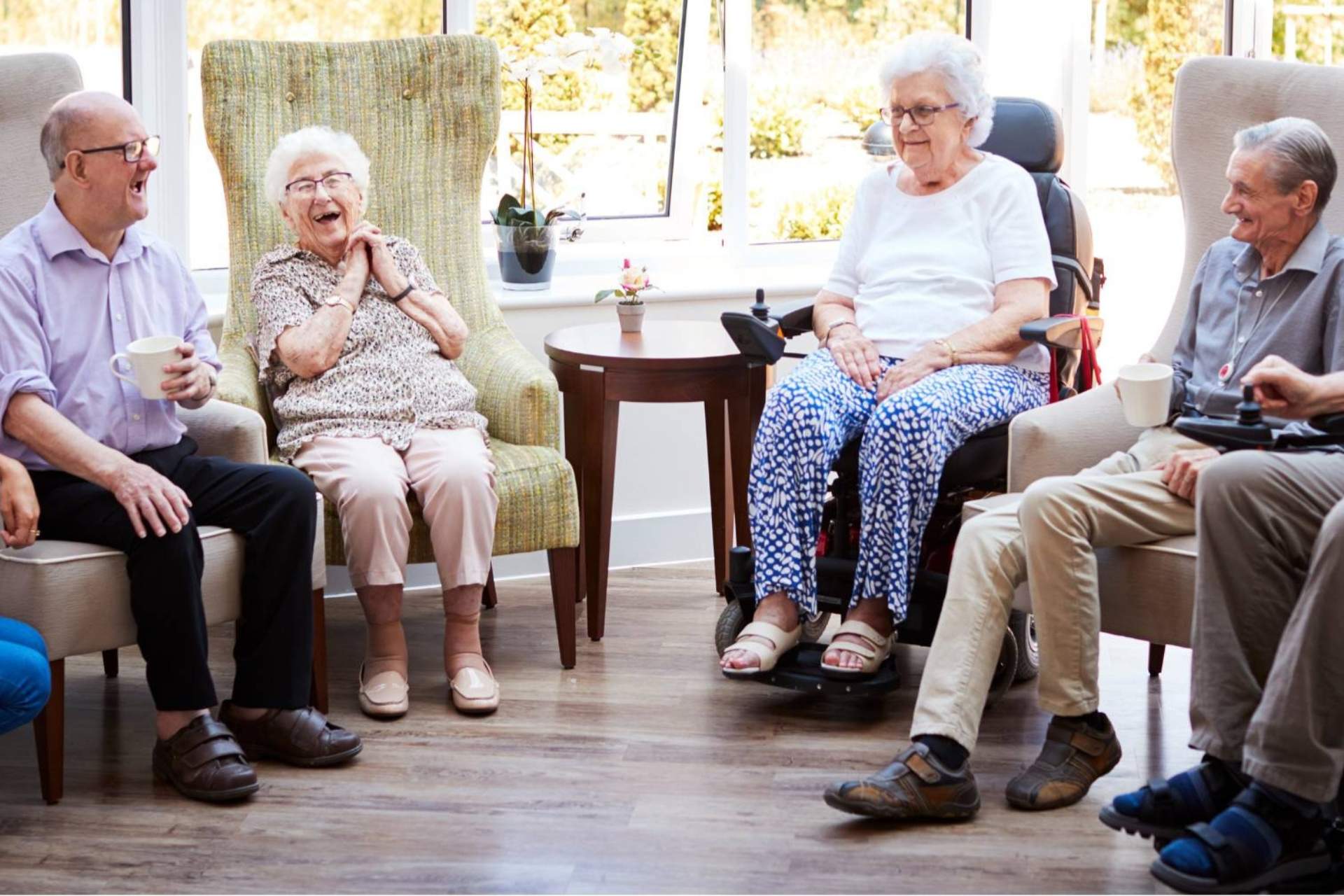
Sleep works best as one part of a full day. Regular meals, movement, social interaction, time outdoors, hobbies, and a predictable evening routine can all help create the rhythm that tells your body when it’s time to be awake and when it’s time to wind down.
At MorningStar Senior Living of Kirkland, independent living gives older adults opportunities to stay active and connected without giving up the freedom to shape their own routines.
As Kirkland’s days get shorter, a few small adjustments can help keep your schedule from shrinking along with the daylight. Aim for enough sleep to wake refreshed, give your days plenty of activity and light, and don’t write off persistent exhaustion as something caused simply by another birthday.