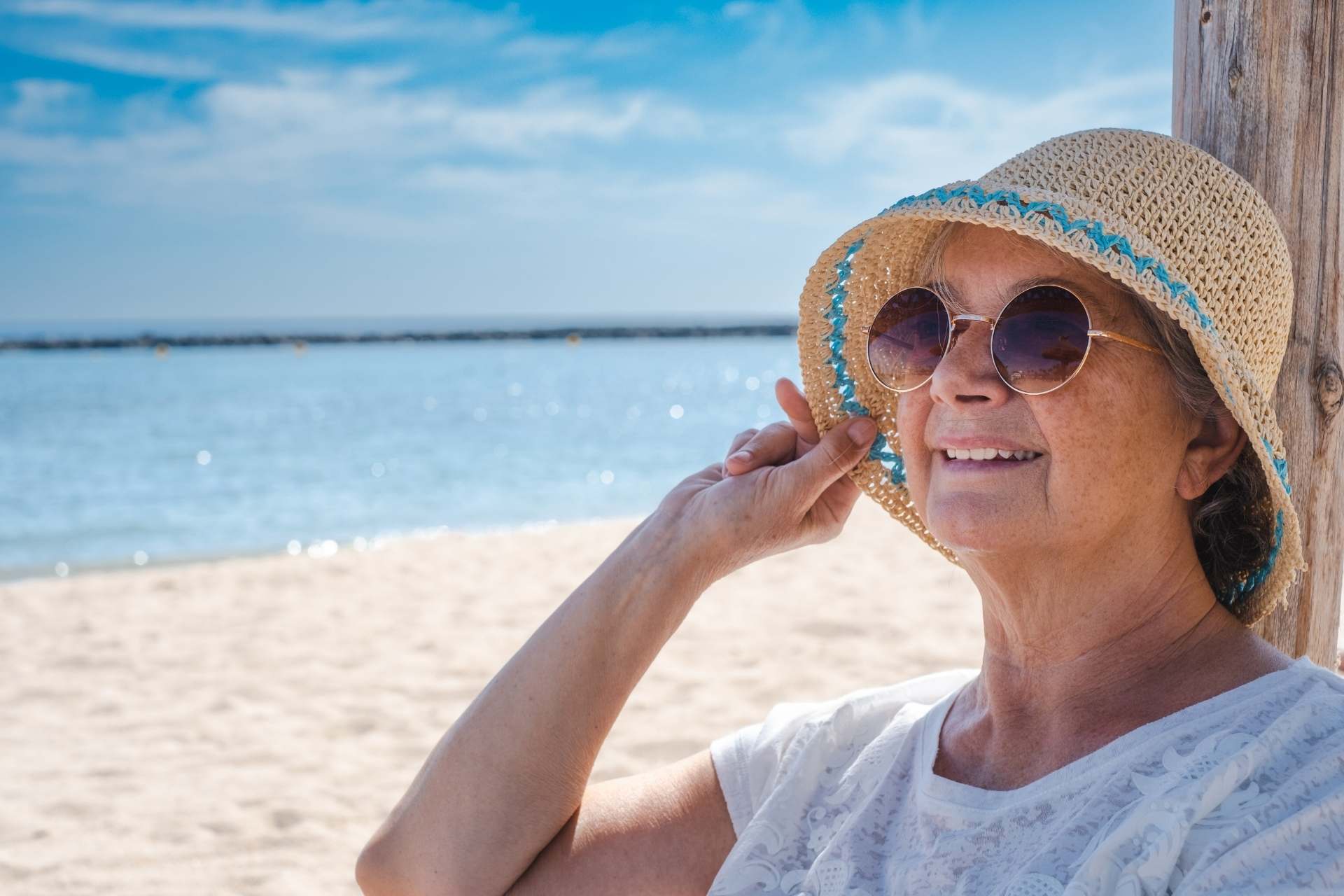
Summer in Kirkland tends to bring people outside. Residents spend more time walking along the waterfront, meeting family at Marina Park, browsing the Kirkland Wednesday Market, or enjoying longer evenings outdoors. For many older adults, that activity and connection are an important part of staying healthy and engaged.
But warmer weather can create challenges that families don’t always recognize right away, especially for seniors living alone.
Heat-related illness among older adults is often less visible than people expect. According to the CDC, adults over 65 are at increased risk during periods of hot weather because aging affects how efficiently the body regulates temperature. Certain medications and chronic health conditions can increase that risk even further.
In the Pacific Northwest, those concerns can catch families off guard. Many homes in the Seattle area were built during decades when prolonged summer heat was far less common, meaning older adults may be living in spaces without central air conditioning or effective cooling systems.
At communities like MorningStar of Kirkland, supporting wellness during the summer often comes down to helping residents maintain comfortable routines, regular hydration, and daily connection with others.
Dehydration Often Looks Different in Older Adults
One of the reasons dehydration becomes dangerous so quickly is that the symptoms don’t always look alarming at first (or even get noticed at all). For seniors, dehydration may first appear as:
- Unusual fatigue
- Dizziness
- Headaches
- Confusion
- Irritability
- Balance issues
- Loss of appetite
Many older adults also experience a reduced sense of thirst as they age. In other words, someone may already be dehydrated before they even realize they need water.
Dehydration contributes to hundreds of thousands of hospitalizations among older adults each year, often because symptoms become severe before intervention happens.
Families sometimes mistake these changes for normal aging, exhaustion, or medication side effects. A loved one who seems more forgetful, withdrawn, or physically tired during a summer visit may actually be struggling with heat and hydration issues.
Why Seniors Living Alone Face Higher Summer Risks
Living independently has obvious benefits, but it can make small warning signs easier to miss. A senior living alone may spend too much time outdoors gardening or walking during warmer afternoons in Kirkland without taking enough breaks. Others may avoid using air conditioning because of energy costs or keep windows closed during hot stretches without realizing how warm indoor temperatures have become.
Some older adults intentionally drink less water because they worry about frequent nighttime bathroom trips or mobility challenges. Without someone nearby consistently noticing those changes, dehydration can quietly worsen over several days.
Isolation itself can become part of the problem. During hotter weather, seniors may stop attending social events, avoid errands, or limit outings because the heat feels physically draining. That often means fewer opportunities for others to notice when something seems off.
Supporting Safer Summer Routines
Preventing dehydration usually comes down to consistency, more than major lifestyle changes.
That might mean drinking water more regularly throughout the day, or planning walks and errands earlier in the morning. Spending time in cool indoor environments during the hottest part of the afternoon, eating regular meals instead of skipping them, and limiting long periods of outdoor activity during peak heat are also helpful.
In Kirkland, summer still offers plenty of opportunities to stay active and connected. Whether it’s meeting family along the waterfront, attending local events, or simply enjoying neighborhood walks, staying engaged remains an important part of healthy aging.
You don’t need to avoid activity. You just need to create routines that make those activities easier to sustain safely.
How Independent Living Communities Can Help
At MorningStar of Kirkland, independent living residents maintain their own schedules and independence while benefiting from a community environment designed to support everyday wellness.
Having cool indoor gathering spaces, meals already prepared, accessible hydration throughout the day, and opportunities for social interaction can all help reduce the risks of heat and dehydration.
Plus, there’s more visibility. Our residents naturally interact with neighbors, staff members, and friends throughout the day instead of spending long periods completely alone. If someone suddenly appears unusually fatigued, confused, or less socially engaged, those subtle changes are more likely to be noticed earlier.
If you are exploring independent living options for yourself or a loved one, MorningStar of Kirkland offers a community focused on comfort, connection, and supporting healthy daily routines throughout every season.